More Than a Postcode: Why 'Camden' Has Become Shorthand for Something Real
A Name That Does a Lot of Heavy Lifting
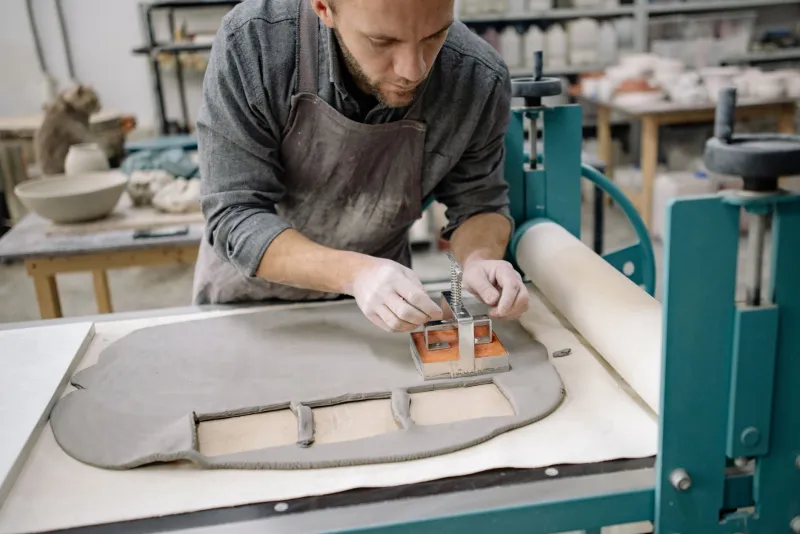
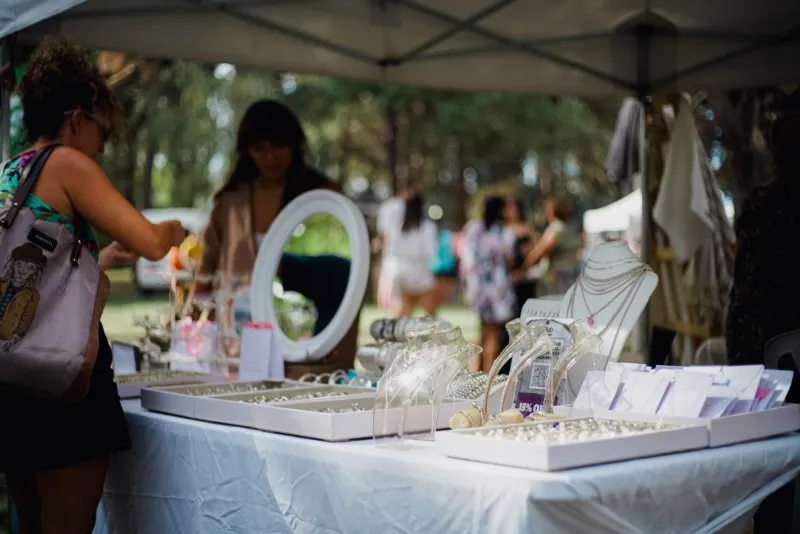
There's a moment that happens, sooner or later, for almost every maker who sets up in Camden. Someone buys something — a piece of jewellery, a hand-thrown mug, a leather wallet — and when they find out where it was made, their whole face changes. Not dramatically. Just a small shift. A recognition. Like the thing they're holding suddenly makes a bit more sense.
That reaction isn't accidental. It's the accumulated weight of decades — of market stalls and music venues, of counterculture and creativity, of a neighbourhood that has consistently refused to be ordinary. Camden has a reputation, and that reputation rubs off. The question worth asking is: how, exactly? And is it something makers can actually rely on — or is it more fragile than it looks?
Where the Cachet Comes From
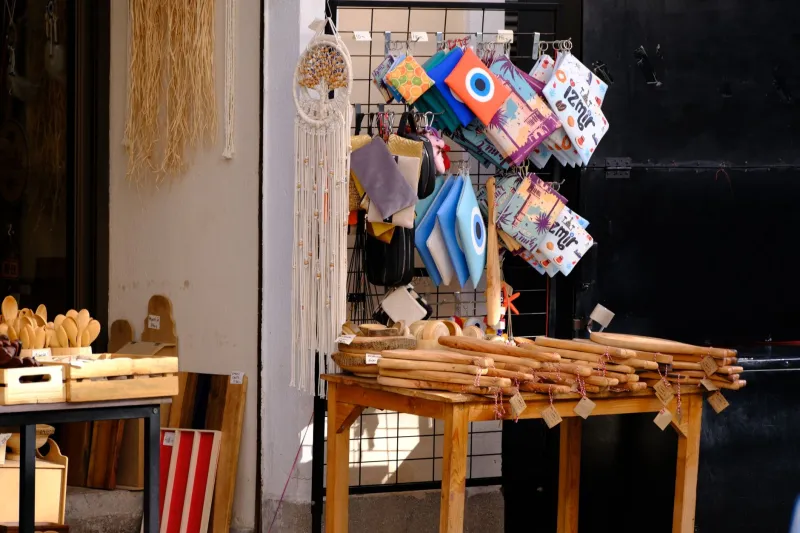
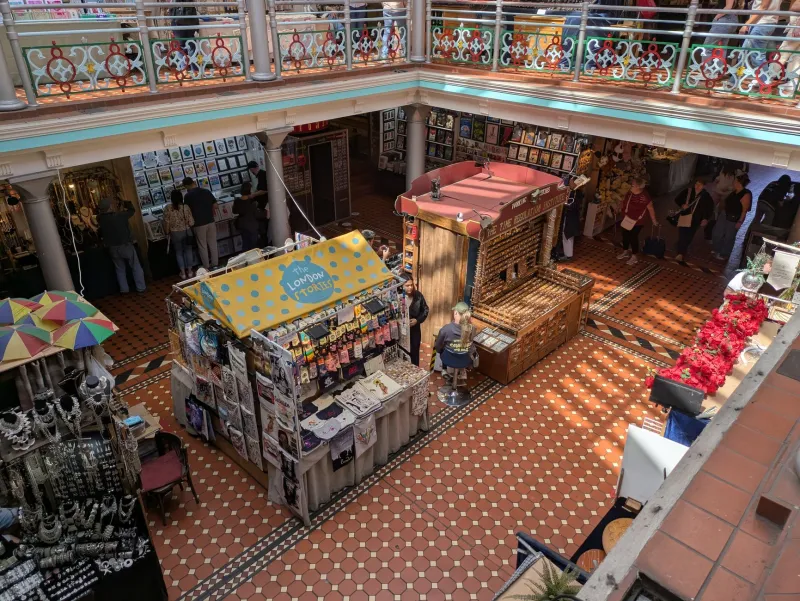
Camden's identity as a creative hub didn't arrive fully formed. It was built slowly, through waves of artists, musicians, designers, and traders who chose this corner of north London precisely because it felt like somewhere things were allowed to happen. The market culture that grew up here from the 1970s onwards wasn't just commercial — it was a statement. You came to Camden to find things you couldn't find anywhere else, made by people who cared more about the work than the margins.
That legacy is genuinely unusual. Most London neighbourhoods carry a vibe — Shoreditch has cool, Notting Hill has money, Bermondsey has grit — but Camden has always had something harder to pin down. A sense that the rules are slightly different here. That authenticity is expected rather than performed. For makers, that's an extraordinary environment to work in, and an even more extraordinary thing to be associated with.
When a maker stamps 'Camden' on their packaging or mentions it in their About page, they're borrowing from all of that. Consciously or not.
The Newer Makers and the Question of Legacy
Here's where it gets interesting. Many of the people currently trading under the Camden banner arrived long after the neighbourhood's most mythologised era. They didn't sell records out of a lock-up in 1985. They weren't part of the scene that made this place famous. They found a studio here because the rents were (relatively) workable, or because a friend had a space, or because the transport links made sense.
Does that matter? Plenty of makers would say no — and they'd have a point. Legacy isn't about personal history. It's about what a place continues to stand for. If Camden still attracts independent, creative, non-corporate makers, then those makers are both benefiting from and actively sustaining the reputation. The chain of meaning holds.
But there's a more honest version of this conversation too. Some newer arrivals are very aware that they're trading on something they didn't build, and they sit with that thoughtfully. Anya, who makes botanical dyes and natural textiles from a studio near Kentish Town Road, puts it plainly: "I didn't grow up here. I don't have some deep Camden story. But I do make things by hand, I do care about where my materials come from, and I do think this neighbourhood asks something of you — a kind of standard. You feel it. You don't want to be the one who lets it down."
That sense of accountability to a place, even among people who arrived recently, is part of what keeps the reputation alive.
When the Neighbourhood Shifts Faster Than the Makers
Of course, Camden is also changing. The market has been redeveloped. Rents have climbed. Chains have moved in alongside the independents. The neighbourhood that once felt like it existed slightly outside the normal rules of London commerce is increasingly subject to the same pressures as everywhere else.
This creates a specific kind of tension for makers who've been here long enough to notice the shift. The word 'Camden' still carries weight in the outside world — tourists still come looking for something handmade and real, buyers still perk up when they hear it — but the internal reality is more complicated. Holding onto studio space is harder. The community of makers that once felt like a given now has to be actively maintained.
There's also a subtler identity question. If Camden becomes more homogenised, does 'Made in Camden' eventually mean less? It's not a hypothetical. It's something makers here are already quietly reckoning with.
Jamil, a silversmith who has worked from the same Camden studio for eleven years, is philosophical about it. "The name still opens doors," he says. "People outside London, people abroad — they hear Camden and they understand something immediately. But those of us inside it know that the work has to back it up. The postcode doesn't do the job on its own. It never really did."
What It Actually Means to Earn It
Perhaps that's the most useful reframe. 'Made in Camden' isn't a guarantee — it's a provocation. A prompt to ask whether the thing you're holding lives up to what the place implies. For makers who are genuinely committed to their craft, who are making considered, honest, handmade work, the association is powerful precisely because it sets a bar.
The makers who thrive here tend to be the ones who understand that. They don't lean on the name as a shortcut. They use it as a reminder — to themselves as much as anyone — of what the work is supposed to be about. Independent. Skilled. Made with intention. Not optimised for scale, but built to last.
In a city where authenticity is both endlessly marketed and genuinely rare, Camden still manages to mean something. Not because of the postcode itself, but because of the people who keep choosing to make things here, and the standard they hold themselves to.
That's not nothing. In fact, it might be everything.