Roots Elsewhere, Soul Still Here: The Makers Who Left Camden and Kept Everything That Mattered

There's a particular kind of grief that comes with leaving a place that made you. Not the dramatic, door-slamming kind — more like the slow ache of realising that the thing you loved has quietly become something you can no longer afford. For a growing number of Camden's independent makers, that feeling is less metaphor and more monthly invoice.
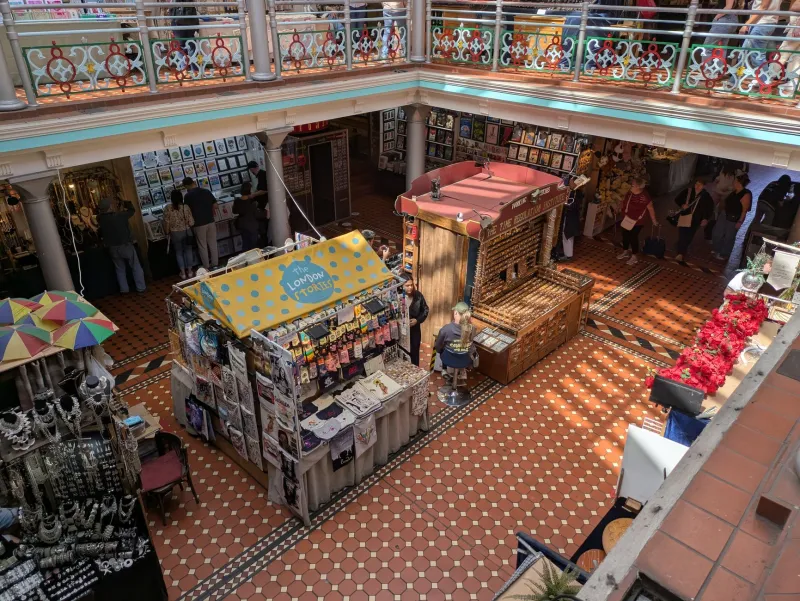
The neighbourhood has always had a complicated relationship with its creatives. It needs them — for atmosphere, for identity, for the cultural credibility that draws tourists, press and investors alike. But it doesn't always make space for them. Not literally, anyway.
The Rent Reckoning
Speak to almost any maker who's been operating in Camden for more than five years and the conversation will eventually arrive at the same place: the moment they realised the numbers no longer worked. Studio rents that once felt manageable have crept — and in some cases leapt — to figures that make producing handmade goods at honest prices genuinely unsustainable.
Sarah, a textile artist who spent eight years working out of a shared studio near Kentish Town, describes the tipping point with quiet precision. "I wasn't struggling. I was actually doing really well. But I was doing well despite my overheads, not because of them. The rent was eating something like forty percent of my turnover. I kept thinking, if I just sell a bit more, it'll balance out. But it never quite did."
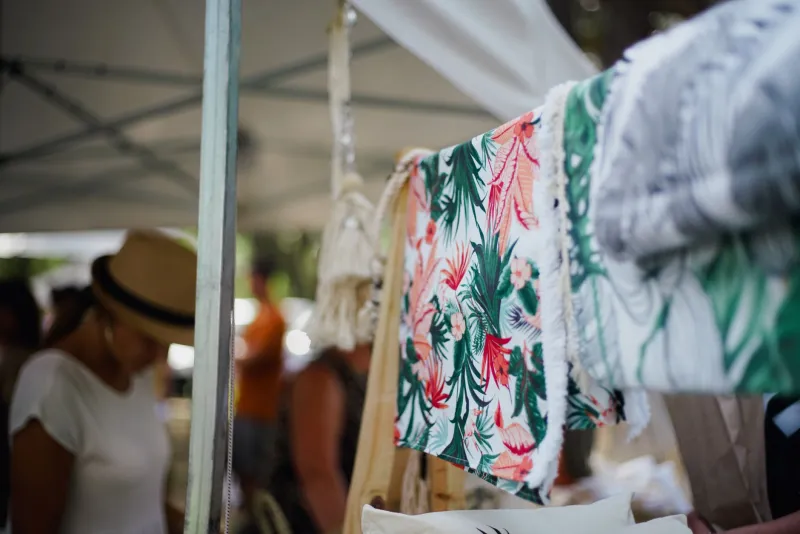
She moved her production to a studio in Walthamstow two years ago. Her Camden market presence remains. Her website still carries the Camden identity she's spent a decade building. What changed was the square footage she could afford — and the breathing room it gave her to actually make things.
Identity Is Portable (Even When the Postcode Isn't)
One of the more surprising discoveries for makers who've relocated is how little their customer base seems to care. The assumption — understandable, given how much Camden's independent scene trades on place — is that moving production out of the neighbourhood would feel like a betrayal. In practice, it rarely lands that way.
"My customers buy from me because of the work," says Marcus, a furniture maker who shifted his workshop to a larger unit in Tottenham after a rent review made his Camden space untenable. "They came to me because they found me at a Camden market, yeah. But they kept coming back because they liked what I make. The postcode on my workshop door was never really part of the deal."
This points to something important about how Camden's maker identity actually functions. The neighbourhood is less a geographic requirement and more a cultural shorthand — a set of values around independence, craft, and authenticity that can travel. Makers who understand this tend to relocate with confidence. Those who conflate Camden with their entire brand are the ones who struggle most.
What Gets Left Behind
None of this is without cost, though. And the cost isn't just personal.
When experienced makers leave, they take institutional knowledge with them. The informal networks, the mentorship conversations over shared kitchen tables, the sense of creative density that makes a place genuinely generative — these things thin out. Camden doesn't lose a business when a maker relocates their studio. It loses a node in a network that's harder to quantify but absolutely real.
Joanna, who runs a ceramics studio and has watched the composition of her building change significantly over the past decade, puts it plainly. "The people who are left are either very new, very well-funded, or very stubborn. I'm in the stubborn category. But I'm aware that stubborn isn't the same as sustainable. And when the experienced makers go, the newer ones don't have anyone to learn from."
This is the paradox Camden hasn't yet found a way to resolve. The neighbourhood's identity as a creative hub depends on the presence of makers. But the commercial pressures that come with that identity — the rising rents, the gentrification, the premium that attaches itself to anything with a Camden postcode — actively push those makers out.
Making Peace With the Middle Ground
The makers who seem to navigate this best are the ones who've stopped treating relocation as a binary. They don't see it as abandoning Camden or as fully leaving. Instead, they've built a kind of distributed existence — production elsewhere, presence here, identity intact.
For Sarah, that means keeping a small market pitch and attending key Camden events while doing all her actual making in Walthamstow. For Marcus, it means his website, his branding, and his long-standing relationships with Camden stockists remain unchanged, even as his workshop address has shifted north. Neither feels like a compromise. Both describe it as the thing that finally made their businesses feel like they might actually last.
"I used to feel guilty about it," Sarah admits. "Like I was somehow cheating. But I make more, I stress less, and I'm still part of the Camden community. I just don't pay Camden rent to be part of it anymore."
That might be the most honest thing anyone's said about the situation. Camden gave these makers something real and lasting. The least the neighbourhood can do is let them carry it with them.