Beyond the Badge: What 'Made in Britain' Actually Means When a Camden Maker Says It
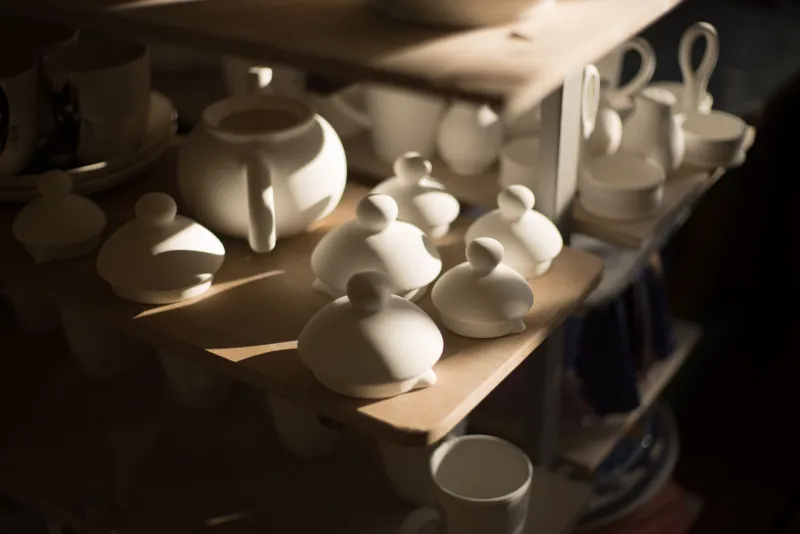
There's a mug on a shelf in a Camden ceramics studio that will never be sold. It was the first one its maker threw on a wheel after three months of evening classes, lopsided and slightly too thick at the rim, and it sits there as a reminder of where everything started. That mug was absolutely, unambiguously made in Britain — made in this borough, in fact, in a railway arch just off Kentish Town Road. No caveats. No asterisks.
Which is more than you can say for a lot of products currently wearing the same label.
'Made in Britain' has had a complicated decade. On one hand, it carries genuine cultural weight — a signal of quality, accountability, and craft tradition that consumers increasingly want to buy into. On the other, it's become a marketing tool so thoroughly co-opted by large manufacturers that its meaning has been quietly hollowed out. Components assembled overseas, finishing touches applied on UK soil, and suddenly a product qualifies. Technically. Legally, even.
Camden's independent makers are done with technically.
The Label That Lost Its Meaning
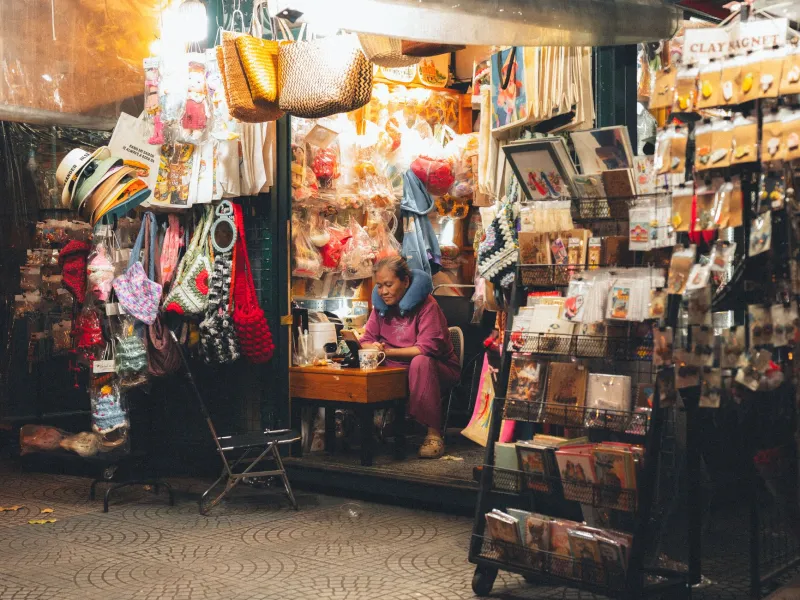
Ask around the market stalls and studio collectives and you'll hear the same frustration expressed in different ways. Makers who spend forty hours hand-stitching a leather bag, or weeks sourcing British wool for a run of hand-dyed scarves, find themselves sharing shelf space — metaphorically speaking — with products that have been machine-produced at scale, shipped in from factories abroad, and badged up with Union Jacks.
"I don't actually use the phrase much anymore," admits one textile maker who has been producing from her Camden studio for six years. "Not because I'm not proud of where I work or what I make, but because the words have been so muddied. Someone sees 'Made in Britain' and they might think of me, or they might think of a high street brand that had a seam sewn in Northampton on a product that was otherwise entirely manufactured in Southeast Asia. Those aren't the same thing, and I don't want to be lumped in with that."
It's a reasonable grievance. The UK's rules around country-of-origin labelling are notoriously loose, and 'Made in Britain' carries no legal guarantee of what percentage of a product was actually produced here. The British Made standard, administered by Made in Britain the organisation, goes further — but it's voluntary, and most small independent makers either haven't heard of it or can't justify the membership cost when they're already stretched thin.
Local as a Philosophy, Not Just a Postcode
What Camden's makers are doing instead is something more interesting than chasing a certification. They're building locality into the very logic of how they work — and making that visible to the people who buy from them.
For a jeweller working out of a shared studio near Camden Lock, this means being specific. Not 'made in Britain' in the abstract, but made here, in this space, by these hands, using silver sourced from a supplier in Birmingham's Jewellery Quarter. "I tell people exactly where everything comes from," she says. "The metal, the tools, the packaging. It's not a sales pitch — it's just the truth. But I think people are genuinely surprised that you can trace it all."
That traceability is increasingly what separates genuine craft production from corporate sustainability theatre. Fast fashion brands have become adept at the language of ethical production — capsule collections described as 'conscious', ranges marketed as 'responsible' — while the underlying supply chains remain as opaque and exploitative as ever. Independent makers, by contrast, tend to know exactly where their materials come from, because they sourced them personally, often from other small businesses.
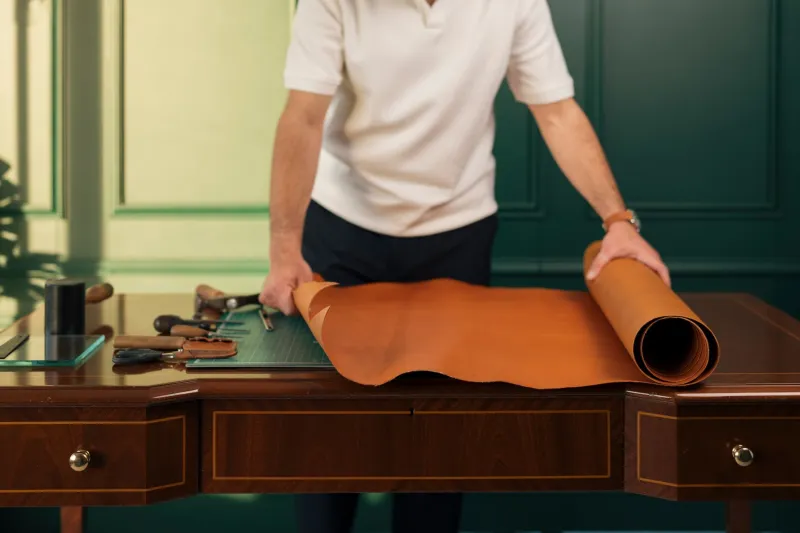
"I buy my leather from a tannery that's been running in the same family for four generations," says a bag maker who has been selling at Camden Market for three years. "I've been there. I've met the people. When someone buys one of my bags, I can tell them the full story because I lived the full story. A brand that offshores 90% of its production and then talks about 'craftsmanship' in its marketing copy — that's not the same conversation."
The Business Case for Staying Local
It would be easy to frame this as purely ideological — principled makers sacrificing commercial advantage for the sake of authenticity. But several Camden craftspeople push back on that framing. Producing locally, they argue, is also just good business, once you account for everything.
There's quality control, for a start. When you're making things yourself, or commissioning from local producers you have a direct relationship with, problems get caught early. There's no container ship between you and a bad batch of materials. There's no language barrier when something goes wrong. There's no six-week lead time that leaves you unable to respond to demand.
There's also the question of what customers are actually paying for. The makers who are thriving in Camden right now aren't competing on price — they can't, and they shouldn't try. They're competing on story, on relationship, on the knowledge that what you're buying was made by a real person who can tell you exactly how and why. That's a value proposition that offshore mass production structurally cannot replicate, no matter how sophisticated the marketing.
"My prices reflect my costs and my time," says the textile maker. "They're not cheap. But the people who buy from me know what they're getting, and they come back. I've got customers who've bought from me every year for five years. That's not something you build by cutting corners on where things are made."
Reclaiming the Words
There's a quiet determination running through Camden's maker community to take back the language that's been borrowed and diluted. Not through lobbying or certification drives — though some makers do engage with those routes — but through sheer specificity. Through saying not just 'made in Britain' but made here, by me, from this.
It's a form of accountability that large-scale production is inherently incapable of. You can't have a conversation with a factory in a free trade zone. You can't ask it where the dye came from, or why it chose that particular stitch. You can walk into a Camden studio and ask all of those questions and get a straight answer.
That lopsided mug on the shelf isn't going anywhere. It's a marker of a beginning — imperfect, local, entirely real. In an era when 'Made in Britain' can mean almost anything, that kind of specificity might be the most valuable thing a maker has to offer.